Key takeaways
- Mathias Mhere's comeback: 3 uploads and about 10 thousand views in 2025, then 20 uploads and 4.8 million views in 2026.
- Bvunza Mweya with Pastor Matende (14 June) is at 2.5 million views and charting.
- An AI-generated gospel song, Ndakainamatira Nyaya, became one of the most talked-about records of the year.
- Gospel holds about ten places in the YouTube Zimbabwe top 100, and almost none on Apple Music. It lives on YouTube.
Secular music gets the headlines, but walk through any Zimbabwean neighbourhood on a Sunday, or into any kombi on a weekday, and gospel is playing. In 2026 two stories defined it: a veteran's return and a machine's arrival.
Mathias Mhere: The Comeback
| 2025 | 2026 | |
|---|---|---|
| Uploads on his channel | 3 | 20 |
| Views on those uploads | about 10K | 4.8M |
| Biggest song | Bvunza Mweya ft. Pastor Matende, 2.5M |
Source: Mathias Mhere's YouTube channel, exact upload dates, views as of 11 November 2026.
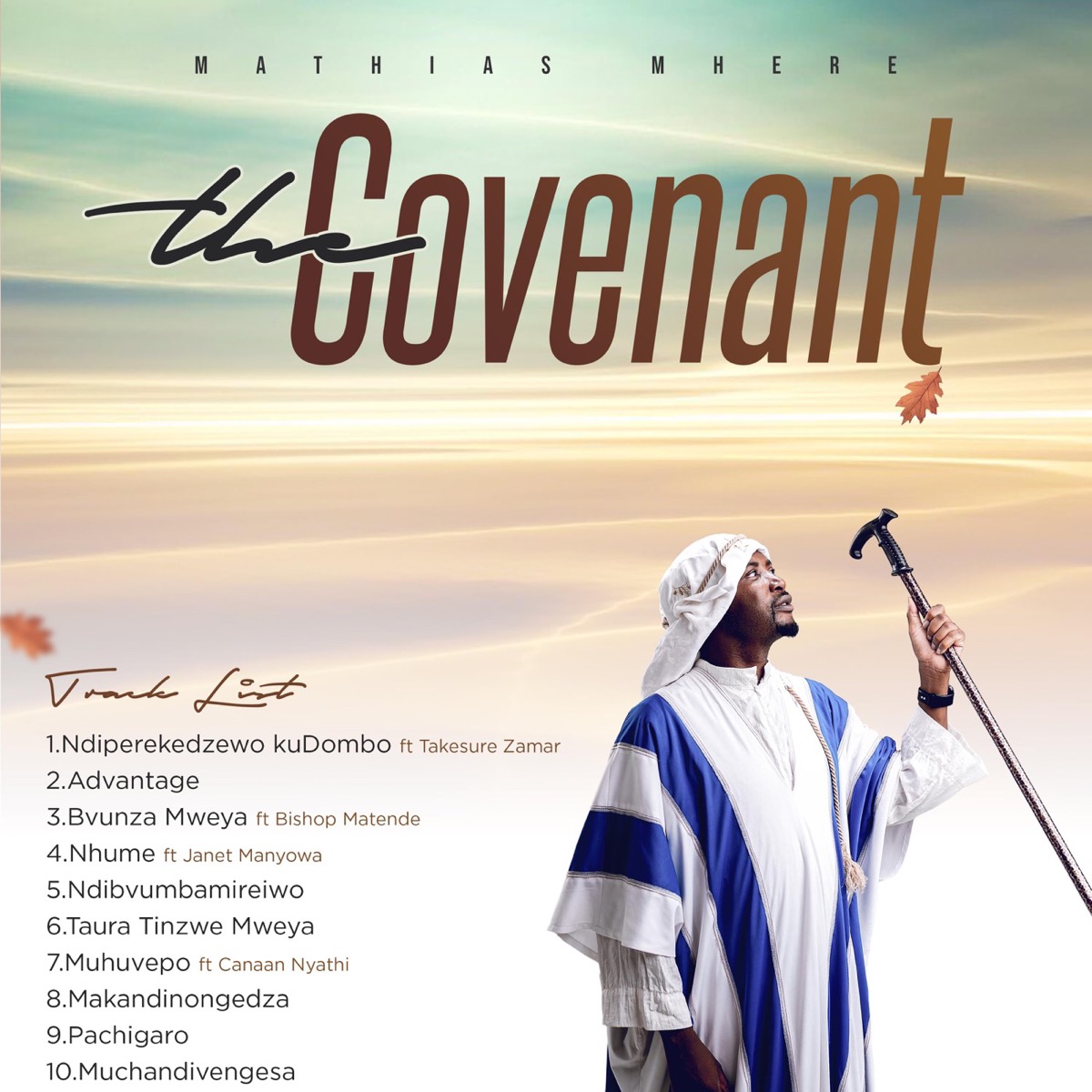
Mathias Mhere has been one of the biggest names in Zimbabwean gospel for years, but his own channel was almost silent in 2025. In 2026 he came back properly: songs from The Covenant album in May, a run of acoustic sessions with guests like Nelcy B and Denzel Malakai, and then Bvunza Mweya with Pastor Matende in June.
Putting a preacher on the record was a smart move. Pastor Matende brings a congregation-sized audience, and the song became one of the few gospel records in the YouTube Zimbabwe top 40 in November. It is the same feature logic that built sane.wav's year, applied to the church.
The AI Hymn
The other gospel story of 2026 is stranger. Ndakainamatira Nyaya is an AI-generated gospel song, and it became one of the most discussed records in the country. In the Herald's mid-year review, critic Bryan Zhawi called it the song of the moment and a model of what a hit sounds like, whether the industry likes the technology or not.
I have written about this shift twice already, in The Machine Is Already on the Charts and The Year the Machine Learned to Sing Shona. Gospel may be where AI music goes mainstream first, for a simple reason: listeners care most about the message and the melody, and least about who the singer is.
That raises hard questions for the genre. Who owns a worship song nobody sang? Can a machine minister? Churches and gospel artists will be arguing about it for years. The audience, for now, has voted with its plays.
Where Gospel Lives
When I counted who owns Zimbabwe's charts, about ten of the YouTube top 100 were gospel or worship: Mathias Mhere and Pastor Matende, two songs from The Unveiled (whose Zvichaita Chete also did well on streaming earlier in the year), Simbai Yadanga twice, Celestia Grace Worship, Cima Melodies, Psalmist Lamondy Dube, Dorcas Moyo, and Minister Ellard with Sharon Cherayi.
On Apple Music, gospel barely appears. Gospel's audience is on YouTube, on phones, often watching live worship videos. For a gospel artist, that is the whole strategy: video first, live sessions, and features that bring a congregation with them.
My Take
Gospel did not need a scandal or a viral dance in 2026. It had a veteran who remembered how to release, and a technology that forced everyone to ask what makes a song holy. Both will shape the genre in 2027.
Sources: Mathias Mhere on YouTube (upload dates checked 11 November 2026), The Herald, songs of the year so far, Soundcharts YouTube Zimbabwe, Soundcharts Apple Music Zimbabwe.
Frequently Asked Questions
What is the biggest Zimbabwean gospel song of 2026?
On YouTube, Mathias Mhere's Bvunza Mweya featuring Pastor Matende, uploaded on 14 June 2026, had about 2.5 million views by 11 November and was in the YouTube Zimbabwe top 40 that week. The AI-generated Ndakainamatira Nyaya was called the song of the moment by critic Bryan Zhawi in June.
How did Mathias Mhere do in 2026?
His channel had 20 uploads in 2026 with about 4.8 million views, against 3 uploads and roughly 10 thousand views in 2025. Releases included Bvunza Mweya with Pastor Matende, songs from The Covenant album and a series of acoustic sessions.
Is AI gospel music popular in Zimbabwe?
Yes. The AI-generated gospel track Ndakainamatira Nyaya became one of the most discussed songs of 2026, and Herald critic Bryan Zhawi described it as a model of what a hit sounds like, whether or not the industry accepts the technology.

Listen to Teemak
Afrobeat, Amapiano and Sungura guitar out of Harare. Start with the Mavambo EP or the Disemba single.