Key takeaways
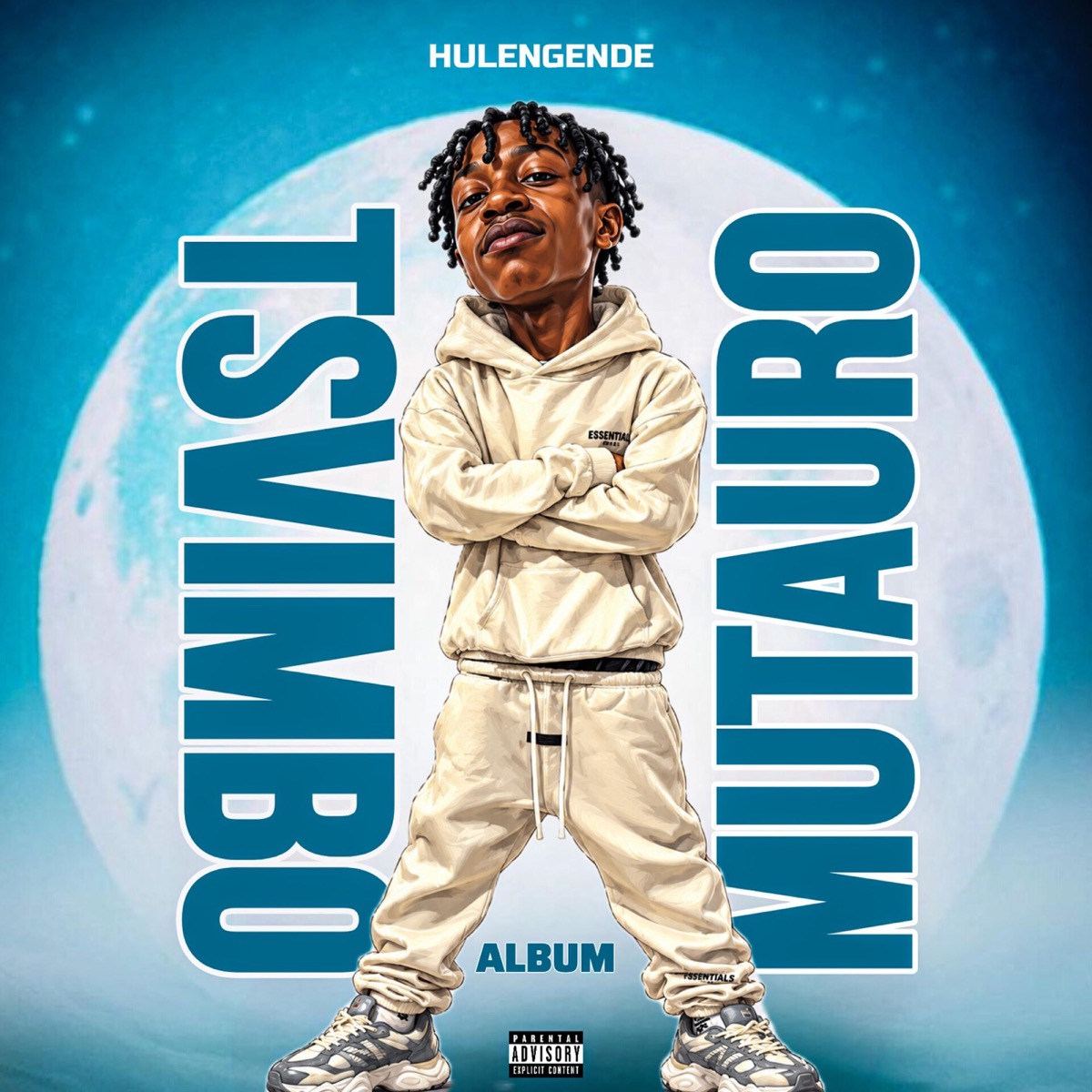
- The Malloti effect is my name for how Hulengende and Malloti's partnership, their always-on social media and the controversy around them kept them at the centre of Zimbabwean music in 2026.
- On 18 March 2026 an MP named them in Parliament. The videos Hulengende uploaded in March and April now hold about 20.6 million views, half his year.
- Malloti is on several of his biggest records, including Waponda Moyo (3.0 million views).
- It has a price. A withdrawn UK show, MPs calling them out by name, and doors that may stay closed to corporate and government-linked stages.
When people talk about why Hulengende blew up this year, they usually say "work ethic" and stop there. The work ethic is real. I counted 166 uploads in 2026 and wrote about it in 2026 Was the Year of Hulengende. But there is a second engine that people mention more quietly, and it has a name. Malloti.
The Partnership
Malloti is not just the partner in the background. She is on the records. Waponda Moyo (3.0 million views), Kunonoka hakusi kurega (904 thousand), Mutserendende (705 thousand), Party Time. Two artists posting, performing, arguing and releasing together means two audiences, two sets of timelines, and twice the number of reasons to share a clip.
In a market where people find music on their phones, a couple that is always on screen is a channel of its own.
The Controversy Timeline
- Early 2026 (reported by March). Malloti withdraws from a UK show at the Y2K SAMA Festival after backlash over remarks about Zimbabwean nurse aides abroad. Hulengende pulls out too, in solidarity, though he offers to refund his share of the deposit.
- 18 March 2026. Zvimba South MP Taurai Malinganiso names the couple in the National Assembly. He accuses them of normalising drug use on TikTok, Instagram and Facebook, and criticises vulgar language in their posts. These are claims made in Parliament, and no response from the artists was reported at the time. I wrote about that moment in Parliament vs Hulengende and Malloti.
- August 2026. Hulengende is arrested during his set at Doek and Slay in Harare over fraud and assault complaints. Both complainants withdraw during vetting and he walks free. More in Hulengende Walks Free.
Any one of those could have ended a career a decade ago.
What Happened to the Numbers
Here is the part that surprised me. I grouped every Hulengende upload of 2026 by the month it went up:
| Uploaded in | Uploads | Views on those videos |
|---|---|---|
| January | 18 | 1.3M |
| February | 10 | 0.7M |
| March | 12 | 9.5M |
| April | 18 | 11.2M |
| May | 12 | 1.4M |
The two months around the Parliament storm hold about 20.6 million of his 41 million views for the year.
I want to be careful here. These are lifetime views on videos uploaded in those months, not views watched in those months, and some of those songs were going to be hits anyway. Correlation is not proof. But the pattern is hard to ignore. The moment the country was most loudly talking about Hulengende and Malloti is exactly when he released the songs that defined his year, and the songs caught all that attention.
Why Controversy Feeds the Machine
Attention does not care why. A person who shares a clip to complain about it still spreads it. Recommendation systems count watches, not approval.
It gives people a side to take. Fans who felt the couple were being attacked by the establishment did not just listen. They defended, posted and streamed. Being attacked turned listeners into supporters.
The volume was ready. This is the part most people miss. Controversy only pays if you have something to sell the moment everyone is looking. Hulengende had a song a few days old and another one coming. An artist who releases twice a year cannot turn a news cycle into views. He could.
The audience accepted them. For a big part of Zimbabwe's youth, the rawness is the point. They hear themselves in the language, the jokes and the chaos.
What It Is Starting to Cost
I would be lying if I said this was free.
- Money: a UK date gone, with deposits in dispute.
- Doors: when MPs name you in the National Assembly, corporate sponsors, radio playlists and government-linked stages get nervous. Compare that with Jnr Spragga, who was leading the song at the President's birthday celebrations. Different lane, different ceiling.
- Fatigue: controversy has a short shelf life. Each scandal has to be bigger than the last to get the same attention, and that road ends badly for a lot of artists.
My Read
The Malloti effect is real, and it worked in 2026. But the thing that turned attention into a career was the songs and the rhythm, not the scandal. Controversy is the accelerant. The music is the fuel. The artists who last are the ones who keep the fuel and slowly turn down the accelerant before it burns the house down.
Sources: Nehanda Radio on the Parliament complaint, The Herald, 263Chat via AllAfrica on the Glamis arrest, Hulengende on YouTube (upload dates checked 11 November 2026).
Frequently Asked Questions
Who is Malloti?
Malloti, also reported as Malloti Rose, is a Zimbabwean artist and Hulengende's partner. She features on several of his 2026 songs, including Waponda Moyo, Kunonoka hakusi kurega, Mutserendende and Party Time.
Why were Hulengende and Malloti mentioned in Parliament?
On 18 March 2026, Zvimba South MP Taurai Malinganiso named them in the National Assembly, accusing them of normalising drug use and vulgar language on TikTok, Instagram and Facebook. These were claims made in Parliament; no response from the artists was reported at the time.
Did the controversy hurt Hulengende's numbers?
Not on YouTube. Videos he uploaded in March and April 2026 have about 20.6 million views, roughly half of his 41 million for the year. It has cost the couple in other ways, including a withdrawn UK show and pressure from public officials.
Listen to Teemak
Afrobeat, Amapiano and Sungura guitar out of Harare. Start with the Mavambo EP or the Disemba single.