Key takeaways
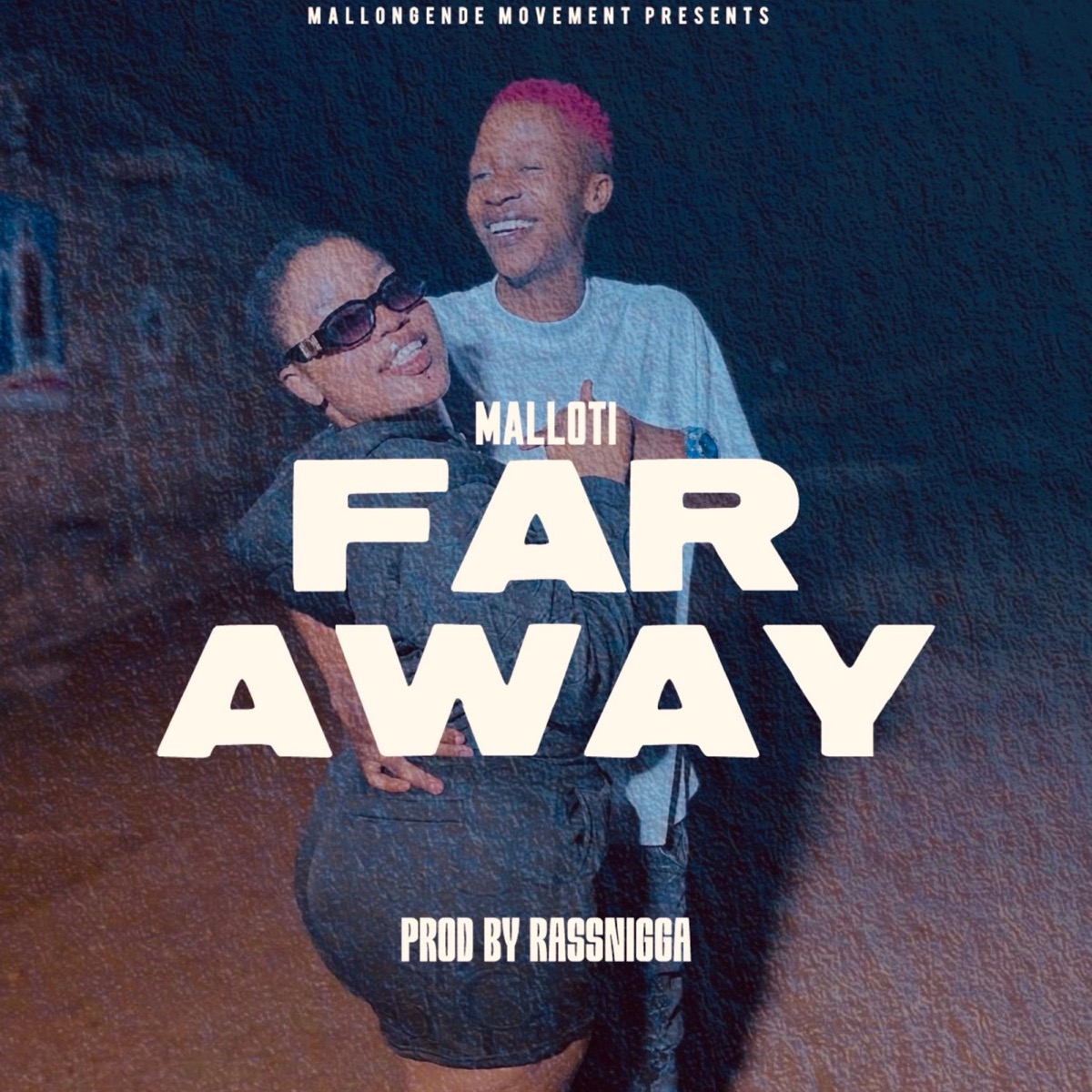
- On 18 March 2026, Zvimba South MP Taurai Malinganiso named Zimdancehall artists Hulengende and Malloti in the National Assembly.
- He accused them of normalising drug use and vulgar language on TikTok, Instagram and Facebook, and called for stricter regulation. These are claims, and no response from the artists has been reported.
- My view: the concern about young people and drugs is real. Naming artists in Parliament is the least effective way to deal with it. It usually makes them bigger.
Zimbabwe's National Assembly spent part of Wednesday talking about Hulengende and Malloti.
Zvimba South MP Taurai Malinganiso praised the government's programmes against drug and substance abuse among young people, then said that work was being undermined online. He named the couple, accused them of openly promoting and normalising drug use on their social media, and criticised what he called explicit and vulgar language in vernacular. He wants stricter regulation of digital platforms, tougher enforcement of drug and cyber laws, and accountability for influencers.
I want to separate two things here, because the conversation online has already mashed them together.
The Concern Is Real
Drug abuse among young people in Zimbabwe is not a moral panic. Families are living it. Anyone with a big young audience carries some responsibility for what they show, and artists should not pretend otherwise. If even part of what the MP described is happening around children, that deserves a serious answer from the artists themselves.
The Method Rarely Works
But I have watched this film before. When the establishment points at a street genre and says "shut it down," three things tend to happen:
- The audience hears an attack on itself. Zimdancehall is the sound of young, mostly urban Zimbabweans with very little. When an MP condemns its biggest names, a lot of those fans hear "people like you are the problem." They defend the artist harder.
- The artist becomes a headline. A speech in Parliament sends people who had never heard of an artist straight to search for him. Many of them press play.
- Nothing about the content changes. There is no clear rule broken, no platform that will act on a speech, and no plan that reaches the kids watching.
The result is usually the opposite of what was intended: a bigger artist and the same problem.
What Might Actually Help
- Talk to the artists, not about them. Invite them into the anti-drug campaigns. A thirty-second video from an artist that kids actually follow will do more than a hundred speeches.
- Use the platforms' own tools. TikTok, Instagram and Facebook already have reporting systems for drug content. Use those for specific posts, not blanket condemnation of a genre.
- Fund the alternative. The youth who are drawn to this music need studios, venues and opportunities. Starve the problem, not the culture.
A Word to Hulengende and Malloti
You have the attention of a generation, and Parliament has just made it bigger. That is a gift and a test. Answer with music, and if any of the criticism is fair, show the kids watching something better. The artists who last are the ones who take the heat and come out with more respect, not just more views.
Source: Nehanda Radio, 18 March 2026.
Frequently Asked Questions
What did the MP say about Hulengende and Malloti?
On 18 March 2026, Zvimba South MP Taurai Malinganiso told the National Assembly that Hulengende and Malloti used TikTok, Instagram and Facebook to normalise drug and substance abuse and spread vulgar language. These were claims made in Parliament; no response from the artists had been reported.
What did the MP call for?
Stricter regulation of digital platforms, stronger enforcement of existing drug and cyber laws, and more accountability for influencers whose content may cause harm.
Listen to Teemak
Afrobeat, Amapiano and Sungura guitar out of Harare. Start with the Mavambo EP or the Disemba single.