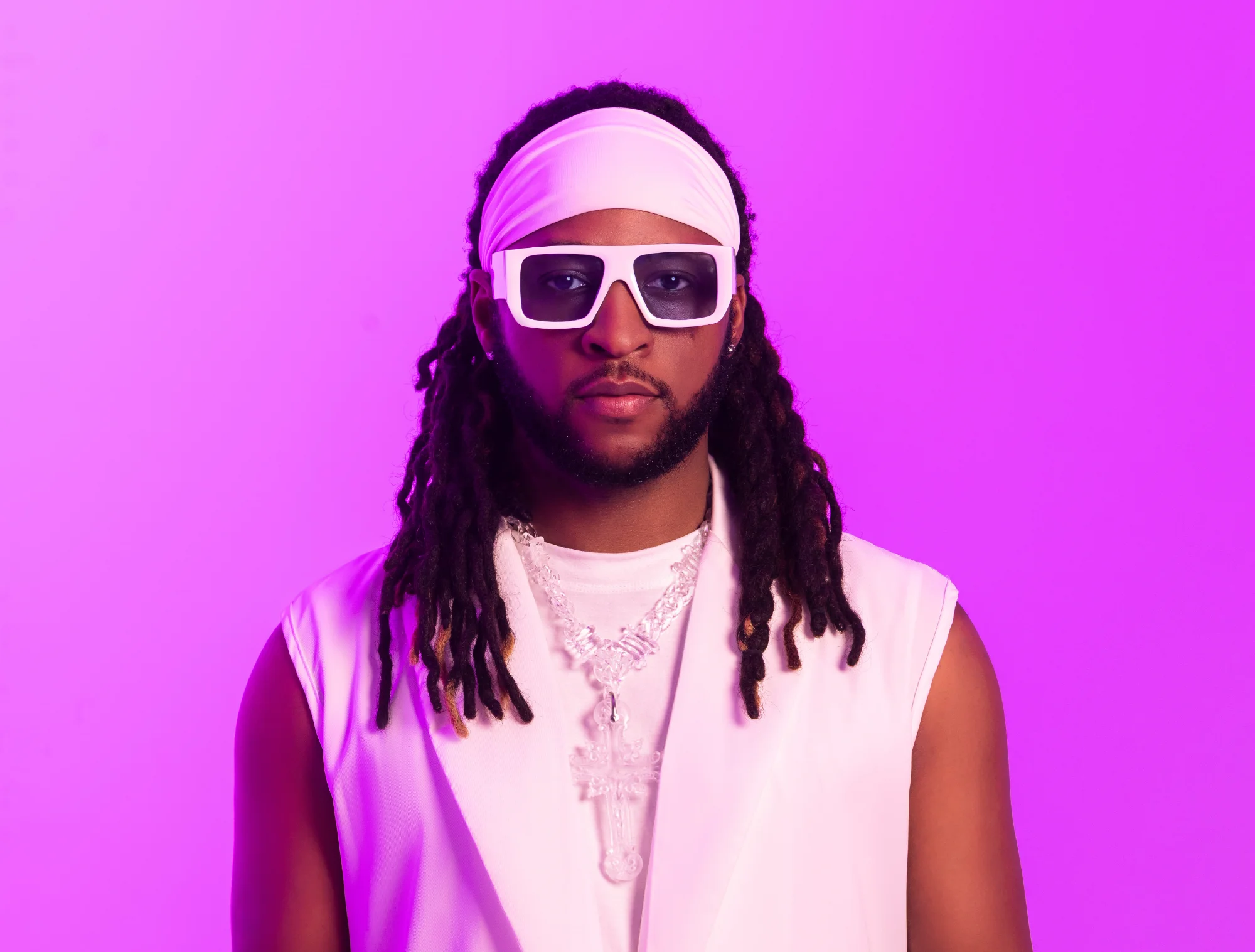
King 98 said something in an interview with Ghanaian YouTuber Wodemaya that stuck with me: "People hate my music because of my rich background."
He is the son of the late Thompson Dondo, CEO of Impala Car Rentals. A millionaire's kid who became a rapper. And he believes Zimbabwe's music fans rejected him not because of his music, but because of where he came from.
Is he right? And if he is, what does that say about us?
The Tall Poppy Syndrome
Zimbabwe has a cultural disease that we do not talk about enough. The tall poppy syndrome. The tendency to cut down anyone who rises above the rest, especially if they started with advantages.
Jah Prayzah experienced it when he started flaunting his success. ExQ talked about being "targeted by haters" simply for being a popular artist. The pattern repeats across the industry. Success invites resentment. But success combined with privilege invites something worse.
When you come from money, your achievements are automatically discounted. "Of course he blew up, his father paid for it." "She only got signed because of her connections." "They bought their way in."
The assumption is that wealth disqualifies you from genuine talent. That privilege and ability cannot coexist. That anyone who started ahead must have cheated somehow.
King 98: The Millionaire's Son
Takudzwa Thompson Dondo, known as King 98, has lived this reality his entire career.
His father built Impala Car Rentals into one of Zimbabwe's most successful businesses. When Thompson Dondo died of kidney failure in January 2021, he left behind a legacy and a son trying to build his own.
King 98 is honest about it. "This company means a lot, it made King 98. This is the company that funded my career," he has said. He acknowledges that family money launched his music. He does not pretend he came from the streets.
But acknowledgment does not equal acceptance. Zimbabwean audiences have never fully embraced him. Not because his music is bad. Because his background makes people uncomfortable.
There is something in the Zimbabwean psyche that cannot accept a rich kid making music. Music is supposed to be the province of struggle. Artists are supposed to suffer for their craft. A rapper who grew up in privilege violates the narrative we want to believe about how success should work.
King 98's father's death "affected me but at the same time motivated me to work harder and for me to just celebrate him." He is now based in Zimbabwe full time, running the family business while making music. He refuses to let the criticism stop him.
But the criticism has not stopped either.
Shashl: The Minister's Daughter
Ashleigh Moyo, known as Shashl, represents something even more complicated. She is the daughter of former Health Minister Obadiah Moyo. Political privilege layered on top of artistic ambition.
In 2018, she became the first Zimbabwean female artist signed to Universal Music Group Africa. A genuine achievement. But one that was immediately questioned. Was it talent or connections? Did her father's position open doors that stay closed for others?
Then came the scandal that consumed everything.
In November 2022, a sex tape was leaked involving Shashl and DJ Levels, the Chillspot producer. The tape was allegedly released by Levels after Shashl ended their relationship. What followed was a nightmare.
Shashl claimed Levels had been physically and verbally abusive. She alleged rape. Levels was arrested and faced charges for transmitting intimate images without consent. The legal proceedings dragged on. The public consumed every detail.
Here is what interests me about the Shashl situation. The scandal was genuinely terrible. A woman's privacy was violated. Abuse allegations were made. This was serious.
But the public response had an undertone that went beyond concern. There was satisfaction in watching the minister's daughter fall. There was eagerness to consume her humiliation. The scandal confirmed what people wanted to believe: that privileged people are secretly corrupt, that their polish hides rot, that they deserve to be exposed.
Would the same scandal involving an artist from Mbare have received the same obsessive attention? I doubt it. Shashl's privilege made her downfall more entertaining. Her family's status made her humiliation more satisfying.
She continues to release music. In July 2024, leaked chats showed businessman Wicknell Chivayo sending flirtatious messages to her. Another round of public consumption. Another round of people enjoying the spectacle of a privileged woman's private life being exposed.
Her musical achievements remain overshadowed by scandals. That is partly because the scandals were serious. But it is also because Zimbabwe wanted them to overshadow everything else.
Ammara Brown: The Legend's Daughter
Ammara Brown is the daughter of the late Andy Brown, one of Zimbabwe's most beloved musicians. She grew up in music royalty. Her success was, as one observer noted, "inevitable."
And that inevitability has made it questionable.
She is considered one of the best performers in Zimbabwe. Her work ethic is recognized. She has risen in a male-dominated industry through genuine talent and effort. But the asterisk is always there. Andy Brown's daughter. Born into the industry. Had advantages others did not have.
Ammara has acknowledged the complexity herself. Being a coloured girl with a soft fro "doesn't hurt either." She understands that her appearance and background provide advantages that she did not earn.
But understanding privilege does not neutralize the resentment it generates. Every achievement is filtered through the lens of her father's legacy. Every success is discounted by the assumption that doors were opened for her that remain closed for others.
Her 2014 album cover for "Crucify Me" sparked controversy. Her views on marriage generated backlash. A fan accused her of treating them "like shit" for refusing a selfie. Each controversy is amplified by her status. Each misstep is scrutinized more intensely because of who her father was.
The message is clear: if you come from privilege, you must be perfect. Any flaw confirms that you did not deserve your position. Any failure proves what people suspected all along.
What We Lose When We Tear Them Down
Let me be clear about something. Privilege is real. Connections matter. Money opens doors. It is legitimate to question whether the playing field is level when some artists start with advantages others will never have.
But there is a difference between questioning systemic inequality and personally attacking artists for circumstances of their birth.
King 98 did not choose his father. Shashl did not choose hers. Ammara did not choose to be Andy Brown's daughter. They were born into their circumstances just as artists from Mbare were born into theirs.
When we attack privileged artists for being privileged, we are not fighting inequality. We are just punishing individuals for existing. We are demanding that they apologize for advantages they did not ask for.
And we lose something in the process.
King 98 might have something valuable to offer Zimbabwean music. His perspective, his resources, his connections could benefit the industry if we let them. But we have decided that his background disqualifies him from being taken seriously.
Shashl's actual musical talent has been buried under scandal coverage. Whatever she might have contributed to Zimbabwean R&B is now secondary to her role as tabloid content.
Ammara Brown's innovations and achievements are permanently asterisked. She can never fully escape her father's shadow because we will not let her.
The Real Problem
The real problem is not that some artists come from privilege. The real problem is that our industry has no structure, so privilege becomes the only reliable path to success.
In a functioning music industry, talent would be enough. There would be systems to identify and develop artists regardless of background. Labels would scout for ability, not connections. Radio would play songs based on quality, not on who knows whom.
But Zimbabwe does not have that industry. So the artists who succeed are disproportionately the ones who had advantages. And then we resent them for having advantages, while doing nothing to build the systems that would make advantages unnecessary.
King 98's money funded his career because there is no music industry infrastructure to fund careers without money. Ammara Brown benefited from her father's legacy because legacy is one of the few things that actually matters in a scene with no institutions.
We are blaming individual artists for systemic failures. We are tearing down people for winning a game whose rules we refuse to change.
A Different Approach
What if we stopped punishing artists for their backgrounds and started demanding better systems?
What if we acknowledged that King 98's resources could help build infrastructure that benefits everyone, instead of insisting he apologize for having resources?
What if we let Shashl's music speak for itself, instead of reducing her to scandal content?
What if we celebrated Ammara Brown's achievements while also working to create pathways for artists who do not have legendary parents?
The tall poppy syndrome feels righteous. Cutting down the privileged feels like justice. But it is actually just destruction without construction. We tear down without building up. We punish individuals without fixing systems.
Zimbabwe's music industry will not improve by hating its successful artists. It will improve by building structures that make success possible for everyone. Until then, we are just crabs in a bucket, pulling down anyone who tries to climb out.
King 98 is right. People do hate his music because of his rich background. The question is whether that hatred serves any purpose beyond making us feel better about our own circumstances.
I do not think it does.