
On April 4th, 2026, two events ran simultaneously in Harare. Jah Prayzah, one of Zimbabwe's most celebrated artists, a man with decades of hits and a loyal fanbase, hosted a show. At the same time, a brand new festival called Ama2K Fest opened its doors at Belgravia Sports Club. It was the festival's first edition. No legacy. No track record. Just a promise aimed squarely at the generation born after the year 2000.
The festival drew the bigger crowd.
Let that sit for a moment. A first-time event with no history outpulled one of the most established names in Zimbabwean music. This is not a story about Jah Prayzah declining. His talent is not in question. This is a story about a generation that has decided to build its own infrastructure rather than wait for the existing one to make room.
What Ama2K Actually Means
The term "Ama2K" is Southern African slang for the generation born on or after the year 2000. The "Ama" prefix comes from Ndebele and Zulu, a collective marker that turns a singular into a group. In South Africa, where the term originated, it carries a specific cultural weight: drip culture, Amapiano as a soundtrack, digital nativity, and an unapologetic confidence that older generations find either inspiring or infuriating depending on who you ask.
In Zimbabwe, the term has taken root with equal force. But here it means something slightly different. South African Ama2K culture operates within a larger, more established entertainment infrastructure. In Zimbabwe, where the music industry still lacks basic institutional support, claiming Ama2K identity is more than generational styling. It is an assertion that this generation will create what was not provided for them.
Ama2K Fest is the physical manifestation of that assertion.
The Lineup Told a Story
PERivent Global Entertainment, the crew behind the festival, made deliberate choices with their lineup. They brought Ruger from Nigeria. Naledi Aphiwe and Scotts Maphuma from South Africa. Then they surrounded those international acts with Zimbabwean artists: Nutty O, Shashl, Bagga, Atenda Chinx, Sane Wav, Runna Rulez, Xiba.
This is significant. The festival did not position Zimbabwean artists as warm-up acts for the international headliners. It positioned them as equals on the same bill. Ruger brings Afrobeats. Scotts Maphuma brings Amapiano. Nutty O brings Zimdancehall. The implicit message: these sounds exist on the same plane. No hierarchy. No deference.
For a country whose artists have historically been treated as second-tier within the broader African music conversation, this framing matters. It tells young Zimbabwean musicians that their genres belong on the same stage as the sounds dominating global playlists.
The Naledi Aphiwe Moment
One of the most compelling stories from the festival involved Naledi Aphiwe, the South African vocalist who faced backlash before the event over a TikTok comment perceived as dismissive toward Zimbabwean fans. She issued a public apology before the festival. What happened next was unexpected.
The Harare crowd received her with overwhelming love.
Not grudging tolerance. Not polite applause. Genuine, vocal support that turned a potential disaster into one of the festival's defining moments. Media across both countries covered it as a story of cross-border healing.
This matters because it reveals something about the Ama2K generation that the critics miss. The same generation accused of being shallow, clout-chasing, and obsessed with drip culture demonstrated a capacity for grace that put the cynics to shame. They chose reconciliation over resentment. That is not the behaviour of a generation without substance.
The Political Dimension
I would be dishonest if I did not address the elephant in the room. In December 2025, ZANU PF launched Ama2K4ED, a political affiliate designed to mobilize youths born after 2000 under President Mnangagwa's banner. The attempt to co-opt Ama2K identity for political purposes is predictable. Every powerful cultural movement attracts political opportunism. It happened with hip-hop in America. It happened with Amapiano in South African local elections.
Whether Ama2K4ED gains traction or backfires spectacularly is a question for political analysts. What interests me as an artist is what the attempt reveals: the establishment recognises that Ama2K is not a passing trend. It is a demographic force significant enough to warrant institutional attention.
When politicians try to claim your movement, you know it has power. The question is whether that power will be channelled toward cultural and economic self-determination or diluted by external agendas.
The Criticism Deserves Honest Examination
In October 2025, several Zimbabwean PR professionals publicly called out Ama2K influencers as "the worst industry pandemic," criticising clout-chasing behaviour and prioritising viral moments over substance. Names were named. Ritz McLeish Strawbae, Colorful, Malloti and Hulungende, Natasha Nyemba, even established artist Holy Ten caught strays.
Some of this criticism is valid. Social media rewards performance over substance. A generation that measures success in followers and engagement is vulnerable to confusing visibility with achievement. I have seen it firsthand: artists who invest more in their Instagram aesthetic than their actual music.
But the criticism also carries a familiar tone. Every generation faces accusations of being shallow, lazy, or distracted from "real" work. Gen X was the slacker generation. Millennials were the avocado toast generation. Now Ama2K are the clout-chasing generation. The pattern is so consistent that it says more about the critics than the criticised.
The real test is not what individuals do on TikTok. The real test is what the generation builds. And Ama2K Fest, whatever else you say about it, is something built. A festival. An event. A business. Created by young people, employing young people, generating revenue, donating proceeds to Marondera Children Home. That is not clout-chasing. That is institution-building.
What This Means for Zimbabwean Music
Here is where I stop being an observer and start being honest about what I see.
Zimbabwe's music industry has been waiting for institutional support that is not coming. Government investment is minimal. Corporate sponsorship is unreliable. The infrastructure that supports music in Nigeria and South Africa, the labels, the distribution networks, the sync licensing pipelines, does not exist here in any meaningful scale.
Ama2K Fest represents an alternative model. Instead of waiting for existing institutions to serve them, a group of young creatives built their own. PERivent Global Entertainment did not apply for a grant. They did not wait for a major sponsor to believe in them. They organised an event, priced tickets accessibly (ordinary at $10, VIP at $30, VVIP at $50), partnered with local pharmacies for physical ticket sales, used Ticket Bay for digital, and filled Belgravia Sports Club.
This is the template I have been writing about for months. Build locally. Prove the concept. Then scale.
The early bird VVIP tickets sold out. The venue was packed by mid-afternoon. The event generated media coverage across Zimbabwe and South Africa. The organisers have signalled this will be annual. If they execute consistently, Ama2K Fest could become for Zimbabwe what Afro Nation became for Nigeria or what Rocking the Daisies represents for South Africa. A flagship event that anchors a broader cultural ecosystem.
The Fashion Cannot Be Ignored
Ama2K is not just a music movement. It is a visual identity. The culture runs on what they call "drip": head-to-toe branded looks, Air Jordan 1s paired with everything, bodycon dresses, mom jeans pulled straight from the nineties, biker shorts meeting leather jackets. The philosophy is simple. Drip or drown.
In 2022, Ama2K youth went viral for embracing vintage fashion, recreating looks from the seventies, eighties, and nineties and sharing them on social media. This complicated the narrative that the generation only cares about new luxury brands. They were simultaneously rocking Balenciaga (or convincing counterfeits from the flea market) and curating looks that referenced their parents' era.
There is a tension here worth noting. The obsession with Western luxury labels runs counter to supporting local Zimbabwean designers. South Africa has produced youth-embraced homegrown brands like Maxhosa by Laduma and Galxboy. Zimbabwe's fashion scene, Hatiperi, Faith Wear, Nehanda & Co, has not achieved the same youth buy-in. If Ama2K culture is about self-determination, that ethos should extend to what we wear, not just what we listen to.
This is an opportunity. The designer who figures out how to make Zimbabwean fashion feel like "drip" to the Ama2K demographic will tap a market that is currently sending its money to counterfeit Western brands. The appetite for self-expression through clothing is there. The local supply has not matched it.
The Bigger Picture
Ama2K Fest did not happen in isolation. It is part of a continental pattern where African Gen Z is building cultural infrastructure faster than any previous generation. In Nigeria, Detty December has become a globally recognised season. In South Africa, Amapiano festivals anchor a multi-billion rand economy. In East Africa, the Gengetone movement carved out its own space before the mainstream could categorise it.
What connects these movements is a refusal to wait. Previous generations of African creatives often spent years lobbying for recognition from Western institutions, from international labels, from festival bookers in Europe and America. This generation builds first and lets the world discover what they have created.
The pan-African dimension of Ama2K Fest is intentional. By putting Nigerian Afrobeats, South African Amapiano, and Zimbabwean genres on the same stage, the festival physically enacted the cross-border cultural exchange that already happens digitally every day. A teenager in Harare listens to Ruger and Scotts Maphuma on the same playlist as Nutty O. The festival just made that playlist physical.
What I Take From This
I have been writing on this blog about Zimbabwe's path to global musical recognition. I have argued for authenticity, for building locally, for refusing to imitate what Nigeria and South Africa have already done. Ama2K Fest validates that argument in ways my words alone cannot.
A generation that I am barely older than has demonstrated that Zimbabwean youth can organise, execute, and fill a venue with a culturally specific event that does not apologise for being Zimbabwean. They did not rebrand as an Amapiano festival or an Afrobeats showcase. They called it what it is: Ama2K. A generational identity with roots in Southern Africa and flowers blooming in Harare.
I see in this festival the same energy I channel through Lord Empire Music. The refusal to wait for permission. The conviction that our stories, our sounds, our culture deserve a platform. The understanding that if the infrastructure does not exist, you build it yourself.
The Challenge Ahead
One successful festival does not make an industry. The test for Ama2K Fest is what comes next. Can they sustain the momentum year over year? Can they grow without losing the grassroots energy that made the first edition resonate? Can they build a business model that supports not just one event but an ecosystem of artists, producers, designers, and creatives?
These questions are not criticisms. They are the natural next step. Every movement faces the transition from moment to institution. The generation that built Ama2K Fest has proven they can create a moment. The work now is turning that moment into something permanent.
I will be watching. Not from the sidelines, but as someone building in the same space, with the same conviction, toward the same goal: a Zimbabwe where our creativity is not just consumed locally but recognised, respected, and celebrated across the continent and beyond.
The generation born after 2000 just served notice. They are not waiting for the future. They are building it.
Harare took note. The rest of Africa should too.
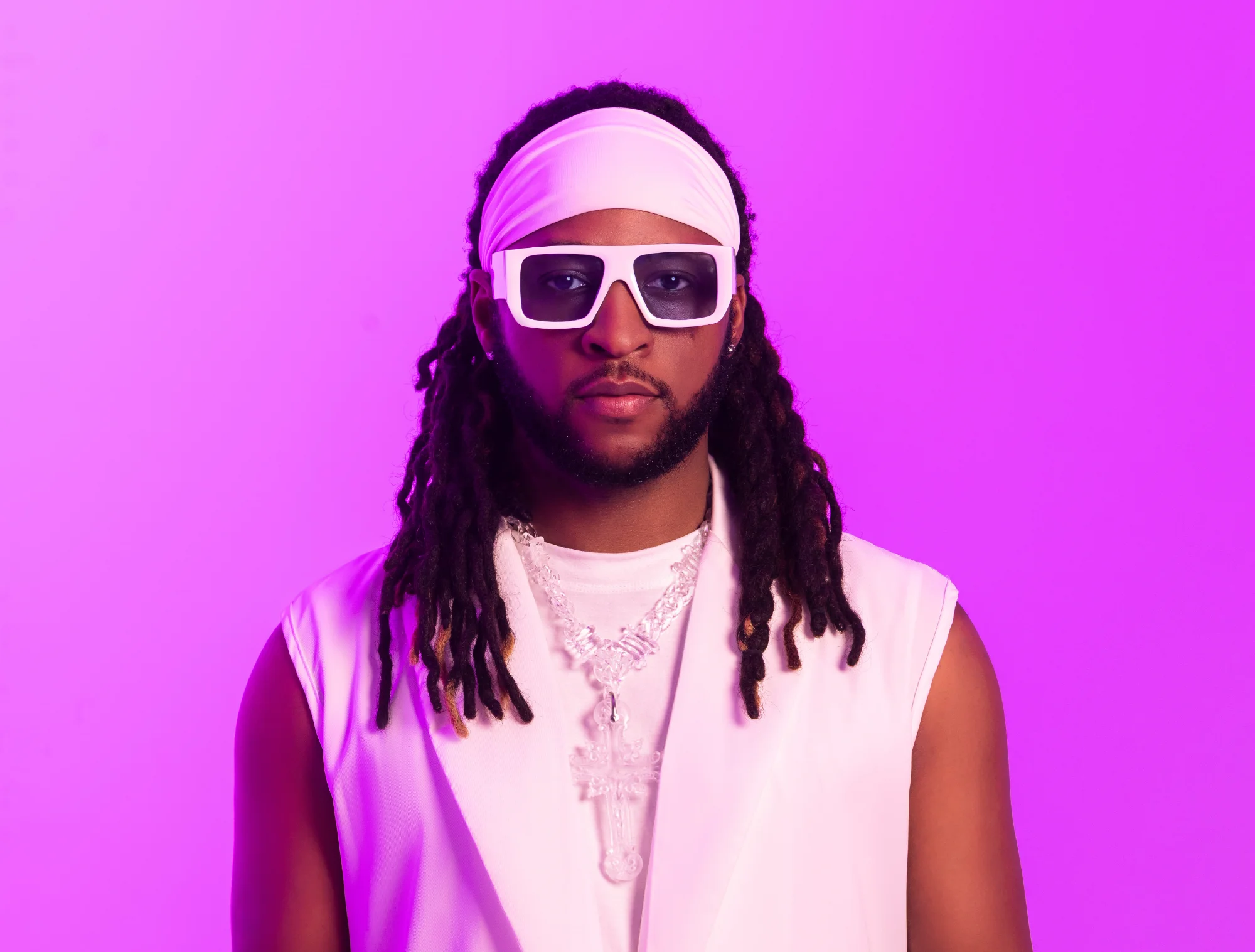
Listen to Teemak
Afrobeat, Amapiano and Sungura guitar out of Harare. Start with the Mavambo EP or the Disemba single.